Walking rest days don’t have to mean sitting still, but many seniors miss out on gentle movements that could boost circulation and prevent stiffness. Discover why chair-based exercises might be the missing piece in your fitness routine.
Key Takeaways
- Active recovery exercises on walking rest days improve circulation, flexibility, and muscle strength without strain
- Chair-based movements like seated marching and ankle pumps effectively boost blood flow while staying safe
- Balance training and supported exercises help reduce fall risk and maintain independence
- Recovery sessions of just 15-20 minutes provide measurable benefits for seniors’ overall health
- Starting small with gentle movements creates sustainable habits that last
Rest days don’t mean sitting still. For seniors who walk regularly, these off days offer the perfect opportunity to keep the body moving with gentle activities that support recovery and build strength. The right exercises can reduce stiffness, improve circulation, and maintain the progress made during walking sessions.
Why Walking Rest Days Need Active Recovery
Walking rest days serve a specific purpose beyond simple recovery. The body benefits from continued movement that stimulates blood flow without the intensity of a full walking workout. Studies indicate that seniors who engage in active recovery may reduce their risk of cardiovascular disease while improving mood and sleep quality.
Active recovery prevents the stiffness that develops when seniors remain sedentary for extended periods. Studies on senior fitness demonstrate that gentle movement maintains the circulation gains achieved through regular walking while allowing muscles to recover properly.
The key lies in choosing movements that support circulation and flexibility without creating metabolic demand. These exercises should feel restorative rather than challenging, supporting the body’s natural recovery processes while maintaining daily movement habits that keep seniors feeling energized and mobile.
Chair-Based Circulation Boosters
1. Seated Marching for Blood Flow
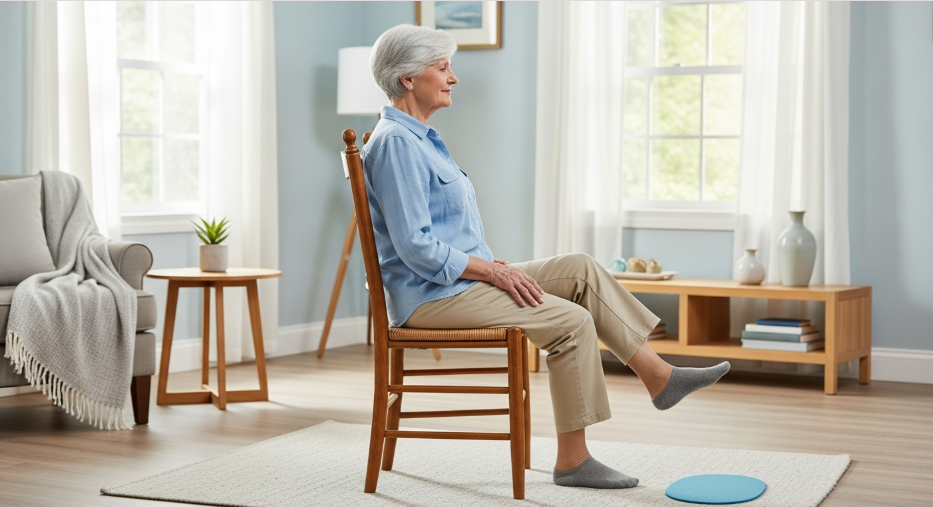
Seated marching stands out as one of the most effective and accessible recovery exercises for rest days. This simple movement involves sitting upright in a sturdy chair and alternately lifting each knee in a controlled marching motion. The exercise directly targets lower extremity circulation without placing weight-bearing stress on joints.
The benefits extend beyond circulation improvement. Seated marching strengthens hip flexors, prevents lower body stiffness, and may help reduce blood clot risk—a particular concern for seniors who spend long periods sitting. The movement also maintains coordination and muscle memory between walking sessions.
To perform seated marching correctly, maintain good posture throughout the movement. Lift one knee to a comfortable height, hold briefly, then lower while lifting the opposite knee. Continue for 2-3 minutes at a steady, comfortable pace. No equipment is required, making this exercise perfect for any location.
2. Ankle Pumps and Toe Taps
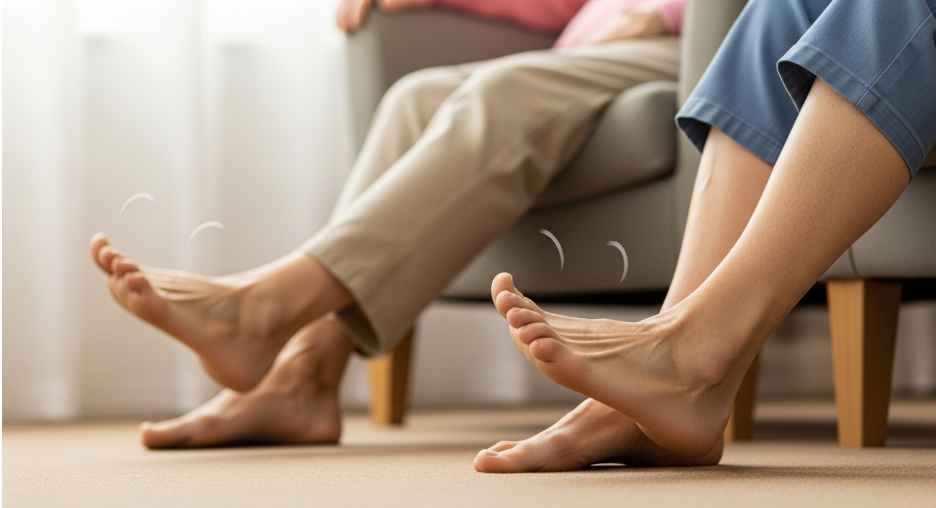
Ankle pumps and toe taps create powerful circulation benefits through small, controlled movements. Ankle pumps involve pointing and flexing the feet alternately while seated or lying down. Toe taps, performed with heels planted on the floor, involve lifting the toes upward to engage shin muscles.
These micro-movements are particularly valuable for preventing lower leg swelling and supporting venous return to the heart. The calf muscle acts as a secondary pump for circulation, and these exercises keep this system active even during rest periods.
Execute ankle pumps by pointing toes downward for 2-3 seconds, then flexing them upward for 2-3 seconds. Complete 20 repetitions per set. For toe taps, keep heels planted and lift toes high enough to feel shin muscle activation. Perform 2-3 sets of 20 repetitions daily for optimal circulation support.
Gentle Stretching Without Standing
3. Chair-Based Upper Body Stretches
Upper body stretching often gets overlooked during rest days, yet it provides relief from postural stiffness. Chair-based upper body stretches target the neck, shoulders, and upper back—areas that commonly develop tension in seniors, especially those who spend time reading or using computers.
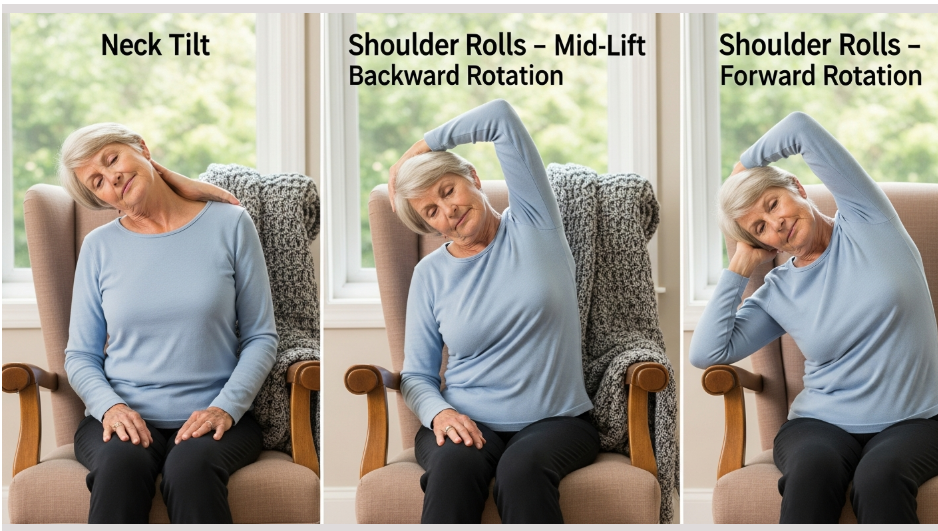
Neck tilts form the foundation of upper body stretching. Slowly tilt the head toward each shoulder, holding for 15-20 seconds without forcing the movement. The gentle stretch releases tension in neck muscles while improving range of motion for daily activities like checking blind spots while driving.
Shoulder rolls complement neck stretches perfectly. Roll shoulders backward in circular motions for 10 repetitions, then reverse direction. This movement combats the forward shoulder posture that develops from prolonged sitting and helps maintain proper alignment for walking sessions.
4. Seated Hamstring and Calf Stretches
Lower body flexibility remains important for walking performance and daily function. Seated hamstring and calf stretches address the muscle groups that work hardest during walking while accommodating seniors who prefer seated exercises for safety and comfort.
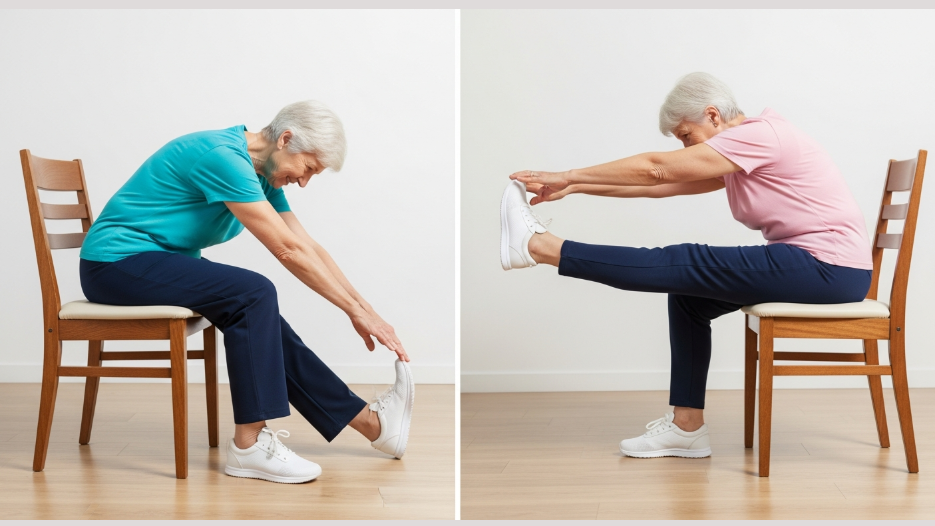
The seated hamstring stretch involves sitting upright with one leg extended and gently reaching toward the toes. This position stretches the entire back of the leg while supporting the spine. Hold for 20-30 seconds without bouncing, then switch legs. The stretch should create gentle tension, never pain.
Calf stretches can be performed from the same seated position by flexing the extended foot upward while keeping the leg straight. This variation specifically targets the calf muscle, which tends to tighten between walking sessions. Regular calf stretching improves ankle flexibility and reduces cramping during future walks.
Strength Moves Using Chair Support
5. Heel Raises for Calf Strength
Heel raises provide targeted strengthening for the calf muscles while using chair support for safety and stability. This exercise directly impacts walking performance by strengthening the muscles responsible for push-off during each step. Strong calves also improve balance and reduce fall risk.
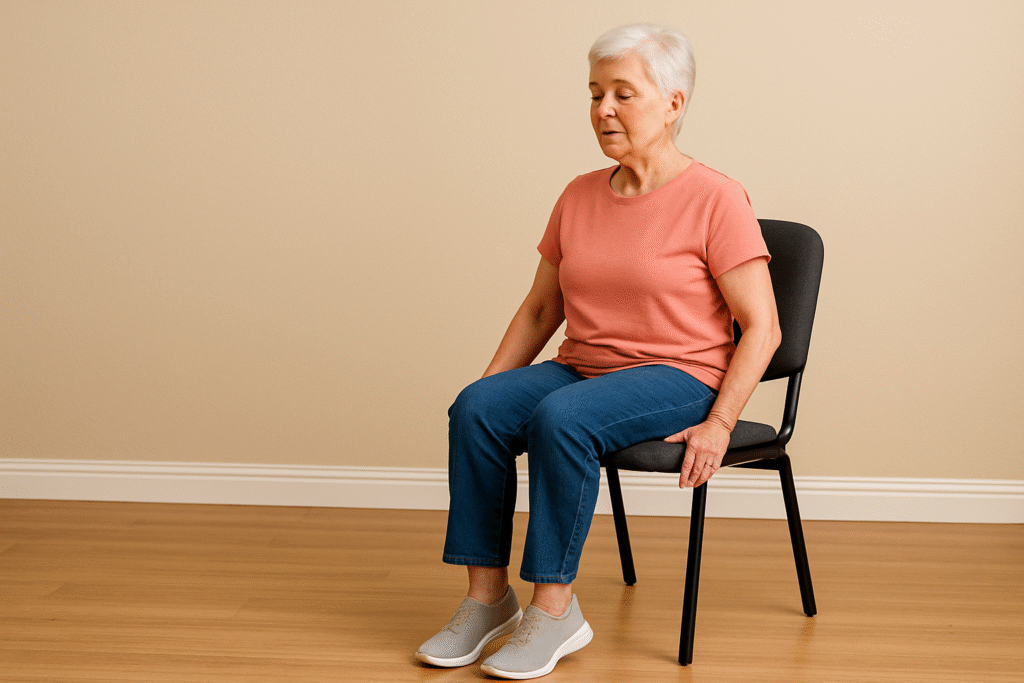
The movement involves sitting in a sturdy chair with feet flat on the floor, then lifting the heels while keeping toes and the balls of the feet planted. This position creates resistance against body weight while maintaining a safe, supported posture.
Proper form ensures maximum benefit with minimum risk. Lift heels as high as comfortable, hold for 2-3 seconds, then slowly lower with control. Perform 15-20 repetitions for 2-3 sets. The controlled lowering phase provides as much benefit as the lifting phase, so avoid dropping the heels quickly.
6. Supported Side Leg Lifts
Side leg lifts target the hip abductor muscles needed for walking stability and fall prevention. These muscles control lateral movement and help maintain balance during walking, especially when moving across uneven surfaces or changing direction.
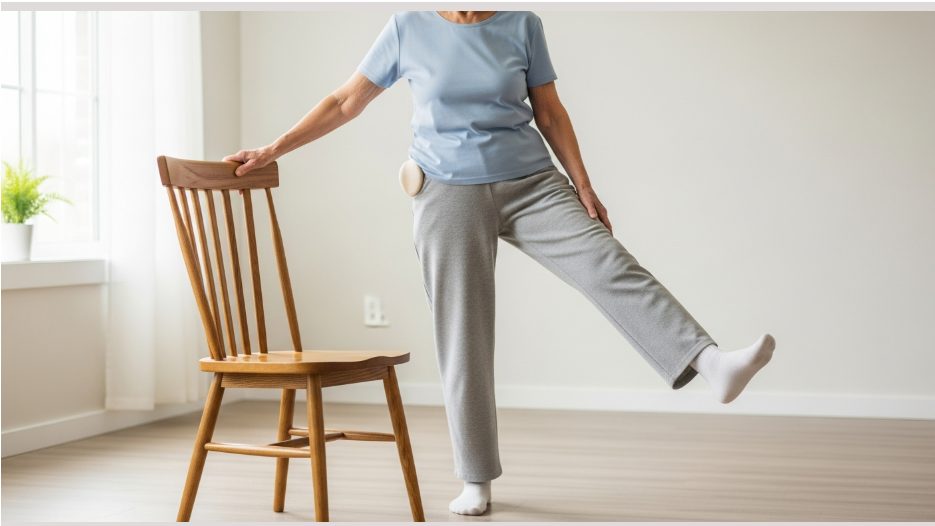
Stand beside a sturdy chair with one hand lightly touching the chair back for support. Slowly lift one leg out to the side to a comfortable height, typically 6-12 inches from the floor. The movement should be controlled and deliberate, focusing on muscle engagement rather than height achieved.
Hold the lifted position for 2-3 seconds before slowly lowering the leg. Avoid leaning toward the chair or shifting weight dramatically. Complete 10-15 repetitions per leg for 2-3 sets. This exercise strengthens hip muscles while improving proprioception—the body’s awareness of position in space.
Recovery Breathing and Session Timing
7. Deep Breathing for Oxygen Flow
Deep breathing exercises form the cornerstone of effective recovery sessions. Controlled diaphragmatic breathing expands lung capacity and improves oxygen delivery throughout the body. For seniors, proper breathing technique supports cardiovascular function and activates the body’s relaxation response.
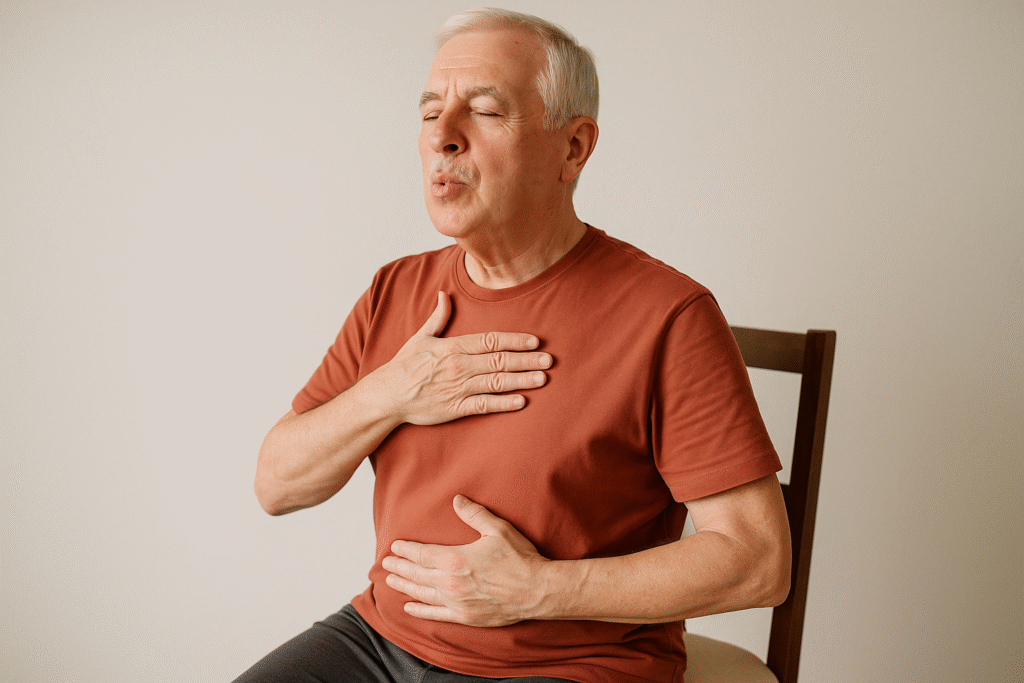
Diaphragmatic breathing involves using the diaphragm muscle rather than shallow chest breathing. Place one hand on the chest and another on the abdomen. During proper breathing, the abdomen hand should rise more than the chest hand, indicating deep, efficient breathing patterns.
The breathing pattern creates specific physiological benefits. Inhale slowly through the nose for a count of 4, hold for 4 seconds, then exhale through the mouth for a count of 6. The extended exhale activates the parasympathetic nervous system, promoting relaxation and recovery. Practice this pattern for 5-10 minutes at the beginning or end of recovery sessions.
How Long Each Recovery Session Should Last
Optimal recovery sessions span 15-45 minutes, providing sufficient time for circulation improvement and flexibility work without creating fatigue. This duration allows seniors to complete all seven exercises while maintaining focus and proper form throughout the session.
Structure sessions with 3-5 minutes of gentle warm-up movement, 10-15 minutes of core exercises, and 3-5 minutes of cool-down stretching. This progression prepares the body for activity, delivers therapeutic benefits, and promotes relaxation at the session’s end.
For beginners, starting with 10-15 minute sessions helps establish the routine without overwhelming the body. Gradually increase session length as comfort and confidence improve. Consistency matters more than duration—a brief daily session provides greater benefits than sporadic longer sessions.
Not sure where to start? Use this quick planner to build your personalized recovery session based on your current fitness level and available time. Simply answer a few questions, and you’ll get a customized routine you can start today.
Your Personal Recovery Exercise Planner
Your personalized plan gives you a clear starting point, but remember that consistency matters more than perfection. Even if you can only complete part of your session today, that’s progress. These gentle movements add up over time, supporting your walking routine while keeping your body mobile and strong on rest days.
Start Small and Progress Safely
Beginning any new exercise routine requires a conservative approach, especially for seniors who may not have used certain muscles regularly. Start with 1-2 sets of each exercise, performing movements slowly and with complete control. This approach builds confidence while allowing the body to adapt gradually.
Progressive overload applies even to gentle recovery exercises. After 2-3 weeks of consistent practice, gradually increase repetitions or add additional sets. The key lies in listening to the body’s response and advancing only when movements feel comfortable and controlled.
Safety precautions remain paramount throughout the progression. Ensure adequate lighting for visibility, wear supportive footwear with non-slip soles, and keep sturdy support within arm’s reach during standing exercises. Stop immediately if experiencing dizziness, pain, or unusual shortness of breath, and consult healthcare providers about any concerning symptoms.
Most importantly, recognize that recovery exercises complement walking routines rather than replacing them. These gentle movements support the progress made during walking sessions while providing active rest that supports overall fitness and mobility. The combination creates a sustainable approach to senior fitness that promotes long-term health and independence.
For guidance on creating sustainable walking and recovery routines specifically designed for seniors, visit Healthfit Publishing for resources that make fitness accessible and achievable.